Keep food fresh and reduce waste with clear storage baselines
Your refrigerator slows spoilage, but every ingredient still has a limit. This calculator gives you a conservative maximum storage window and a recommended safe use window based on category, condition, and location. Use it to plan shopping, batch cooking, leftovers, and freezer rotation without guessing.
Fridge and freezer shelf life Raw or cooked Safe vs warning charts Compare, copy, export PDF
Charts
Safe vs warning and max vs recommended
Compare
Multiple scenarios side by side
Guide
Zones, packaging, thawing, safety
Refrigerator zone
Aim for 32F to 40F. Warmer shelves shorten time.
Freezer zone
0F or below keeps food safe longer, but quality still fades.
How to use the Refrigerator Storage Calculator
1
Select food category
Choose a category like vegetables, meat, poultry, dairy, leftovers, or cooked rice. Categories apply different baselines.
2
Pick the condition
Select raw, cooked, packaged, or leftover style. Condition changes both safety and quality timelines.
3
Choose storage location
Pick refrigerator or freezer. Freezer values are longer but still have best quality windows.
4
Calculate and compare
Press Calculate to see charts, tips, and a compare table. Add scenarios and export a PDF if you want a record.
Detailed guide and references▶
Why storage time matters
Refrigeration buys you time by slowing microbial growth and chemical breakdown, but it does not stop them. After a certain point, texture softens, flavors dull, and risk rises. Knowing safe windows helps you plan meals, avoid waste, and keep your kitchen predictable. The calculator gives two numbers: a conservative maximum and a recommended safe use period before quality drops.
Think of the maximum as a hard boundary for most home conditions. The recommended safe window is where food is most likely to be both safe and enjoyable. If you are unsure about freshness, use the recommended period and rely on smell, sight, and temperature checks rather than stretching the maximum.
Structured storage time reduces waste and risk
How cold slows spoilage
Microbes grow fastest between about 40F and 140F. Refrigerators stay below that range, so growth slows dramatically. Still, some bacteria and molds keep growing at cold temperatures, just more slowly. Enzymes inside produce and meats also keep breaking down tissue, which is why food softens over time even when it stays cold.
The colder and more stable your fridge, the longer the safe window. Every time the door opens, warm air enters and raises surface temperature. That is one reason shallow shelves near the door often have shorter real world storage life.
Safety vs quality
Safety is about microbial risk. Quality is about texture, smell, and taste. Freezing can keep food safe for very long periods, but quality may fall much earlier due to freezer burn, oxidation, and texture changes.
What the calculator assumes
Values assume your fridge is near 37F and your freezer is 0F or colder, food was fresh when stored, and containers are reasonably sealed. If any of those are not true, shorten the recommended time.
Refrigerator zones
Not every shelf is the same temperature. Top shelves and doors often run warmer. Bottom rear areas are usually coldest. Drawers maintain humidity to protect produce. If you store high risk foods like poultry or seafood, place them on the coldest shelf in a sealed container to prevent dripping and cross contamination.
Door shelves: best for condiments and drinks, not for milk or raw meats.
Upper shelves: stable, good for leftovers and ready to eat foods.
Lower shelves: coldest, best for raw proteins.
Crispers: higher humidity, best for leafy greens and produce.
Packaging and containers
Packaging controls oxygen, moisture loss, and contamination. Airtight containers typically extend quality and reduce odor transfer. For raw meats, keep original packaging only if it is leak proof. Otherwise move to a sealed tray or bag. For produce, aim for a balance: too open dries out leaves, too sealed traps moisture and mold.
Use shallow containers for quicker chilling of leftovers.
Wrap cut vegetables or fruits to reduce surface drying.
Press air out of freezer bags to limit frost buildup.
Use double sealing for items you want to store for months.
Category notes and why timelines differ
Different foods carry different water activity, acidity, fat levels, and surface area. Those properties change how quickly microbes grow and how fast quality declines. The calculator groups foods into practical categories to give an everyday baseline.
Vegetables and fruits: mostly quality limited. They lose texture before they become risky, unless already bruised or cut.
Meat and fish: safety limited. Raw proteins can spoil quickly even when they still look normal.
Dairy and eggs: sensitive to temperature swings and odor absorption, so consistency matters.
Leftovers: already cooked and exposed to room air, so recommended windows are shorter.
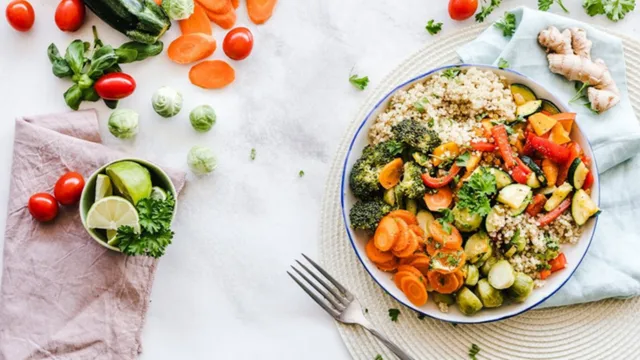
Colorful salad bowls and ingredients
Leftovers and reheated foods
Leftovers are often mixed dishes with multiple ingredients. Each component may have its own limit, and the shortest one wins. Also, leftovers may sit out during serving, which adds time in the danger zone. For that reason, safe windows for leftovers are conservative.
Cool leftovers quickly. Divide large pots into smaller containers and refrigerate within about two hours, sooner in hot kitchens. When reheating, heat all the way through, stirring soups or rice to prevent cold centers.
Soups and stews: chill fast, stir while cooling.
Mixed casseroles: store shallow for an even cold core.
Takeout style leftovers: remove from warm packaging and re containerize.
Cooked rice and starches
Cooked rice is a special case because some spore forming bacteria can survive cooking and then grow if rice cools slowly. Refrigeration slows this, but the initial cooling step matters most. Spread rice thin on a tray to cool before sealing, or portion it into small containers. For long storage, freeze quickly.
When reheating rice, make sure it gets steaming hot. If rice smells sour, looks slimy, or has been held warm for a long time, discard it even if the calendar says it is still within the maximum window.
Poultry safety
Poultry is high risk because pathogens can multiply quickly if temperature rises even a little. Store poultry on the coldest shelf and keep it tightly sealed. Use a tray to catch leaks. If you plan to wait more than a day or two, move it to the freezer and thaw later in the fridge.
Raw poultry in fridge: short window, freeze if uncertain.
Cooked poultry: safe longer than raw but still rotate quickly.
Marinated poultry: acids help a bit, but do not replace time limits.
It is best to eat poultry as fresh as possible.
Freezer quality timelines
Freezing keeps food safe for a very long time if it stays at 0F or below. However, quality continues to change. Moisture migrates and forms ice crystals, fats oxidize, and surfaces dehydrate. The calculator provides a practical maximum window for quality, not a strict safety cutoff.
Lean meats and fish keep texture longer than fatty cuts.
Blanched vegetables freeze better than raw leaves.
Meals with sauce protect surfaces from dehydration.
Labeling and rotation
A simple label fixes most fridge confusion. Write the date and contents, then store newest behind oldest. This makes your recommended window realistic because you can actually find older items first.
Use a marker on tape or reusable labels.
For freezer items, include weight or portion count.
Group similar items so retrieval is fast and the door stays open less time.
Safe thawing
The safest thawing method is in the refrigerator. It keeps food below the danger zone while ice melts. Plan ahead because it is slower. If you thaw under cold running water, cook immediately after. Avoid thawing on the counter for raw proteins.
Large roasts may need a full day or more to thaw.
Portioning before freezing reduces thaw time.
Never refreeze raw meat that has been fully thawed unless you cook it first.
Signs of spoilage
Calendars help, but your senses still matter. If something smells sharp, sour, or rotten, discard it. If surfaces feel slimy or sticky in unexpected ways, discard. If mold appears on soft foods, discard the whole item. For hard cheeses or firm vegetables, you can sometimes cut away a wide margin, but when in doubt, throw it out.
Unexpected gas buildup or bulging packages are red flags.
Gray or green spots on raw proteins indicate breakdown.
Freezer burn is a quality issue, not a safety one, but severe burn makes food unpleasant.
Troubleshooting
Food spoils before the safe window: check fridge temperature stability and door seals.
Produce wilts quickly: store in humidity drawers and avoid airflow blasts from vents.
Leftovers taste stale fast: use airtight containers and cool quickly.
Freezer items get icy: press air out, use thicker bags, and avoid frequent door opening.
Odd odors spread: store aromatics sealed and use baking soda or charcoal deodorizer.
Food safety notes
These estimates are educational baselines. If you are immunocompromised, pregnant, feeding infants, or cooking for vulnerable people, stay on the conservative side and use shorter windows. Always avoid cross contamination. Keep raw proteins sealed and below ready to eat foods. Clean spills quickly.
If a food has been left out long enough to warm above refrigerator temperature for an extended time, do not reset the clock by cooling it again. The safe window counts total time in cold storage plus any warm exposure.