Why dilution matters
Chill, texture, and balance change as ice melts. A sour shaken hard may end near fifteen to twenty five percent dilution by volume in the glass, while a spirit forward stir typically dilutes less. Tracking the effect helps you hit the same profile every time.

Mass balance basics
The total solute in the system equals the solute from the base drink plus the solute contributed by any additions. Ice contributes volume without solute when we track ABV or sugar. Final percentage is total solute divided by total volume times one hundred.
- Solute from drink = initial% × initial volume
- Solute from additions = sum(add% × add volume)
- Total volume = initial volume + ice volume + sum(add volume)
Units and conversions
Bars often use ounces while many recipes use milliliters. Use the unit toggle in results to switch views without changing inputs.
- 1 oz is about 29.57 ml
- Single serve volumes often land between 90 and 180 ml
Ice, time, and temperature
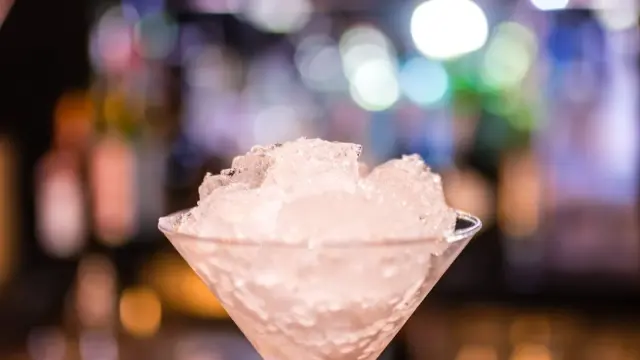
Surface area speeds melt. Small cubes chill fast and dilute more, large cubes chill slower and dilute less. Starting temperatures, shake vigor, and glass temperature all push melt up or down.
Glassware and chilling
Pre chilled glasses protect texture by delaying early melt. Thin coupes warm faster than heavy rocks glasses, shifting how quickly the profile changes in the first minutes of service.
How additions shift %
Adding juice lowers ABV and can raise perceived sweetness and acidity. Adding high proof spirit raises ABV and dries the finish. Track both kinds of changes to stay repeatable.
Worked examples
Example A: 200 ml at 12 percent with 100 ml ice ends near 8 percent. Example B: add 30 ml at 40 percent first to reach about 12.6 percent, then add 100 ml ice to land near 9.5 percent.
Batching for events
Prepare base ahead and chill deeply. Add carbonated parts right before service. Use the per serving field to size batches and label bottles with unit, date, and target profile.
Acidity and sweetness
As dilution rises, perceived sweetness falls and acidity softens. Taste at service temperature because temperature changes perception of both sides of the balance.
Assumptions and what is not included
- Ice is treated as pure water
- No carbonation modeling
- Display rounding to two decimals
- Accuracy depends on careful measurement and chilling
References
Wikipedia Cocktail | Wikipedia Mixed drink | Wikipedia Jigger


