Why estimate time
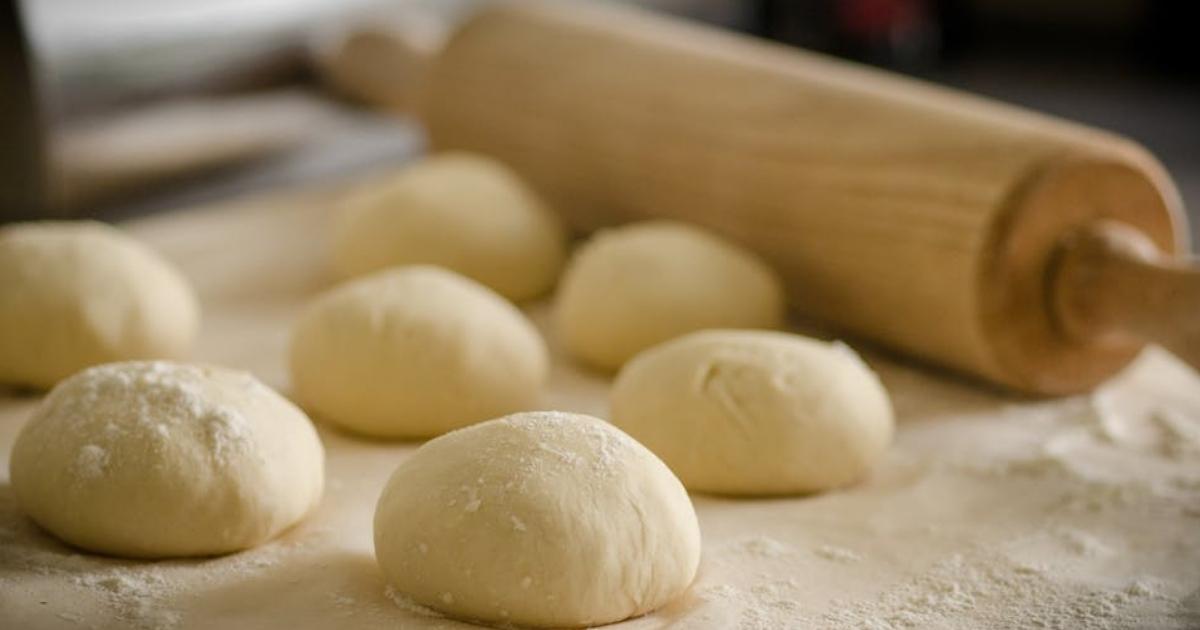
Fermentation time is a moving target shaped by biology and environment. A quick estimate helps you plan the day, avoid underfermented dough, and hit windows for shaping and baking. The time here is a starting point. Judge readiness by volume, bubble pattern, tension and the poke response.
Temperature and yeast
Warmer dough shortens time while cooler dough slows it. Yeast percentage scales time inversely. If you change yeast, keep the rest of the formula constant for fair comparison. For home baking, a stable room temperature reduces surprises.
- Each degree °C above mid 20s often trims minutes
- Yeast percentage is yeast grams divided by flour grams times 100
Hydration
Hydration is total liquid divided by flour and expressed in percent. Higher hydration increases mobility and can speed up fermentation. Very high hydration may reduce structure so aim for balance.
Enrichment effects
Milk can assist fermentation through sugars and minerals. Fats like butter and oil coat gluten and tend to slow activity. Sugar has a dose effect: a small amount can help, lots can strain yeast. Salt strengthens gluten but modestly slows yeast.
Bulk vs proof
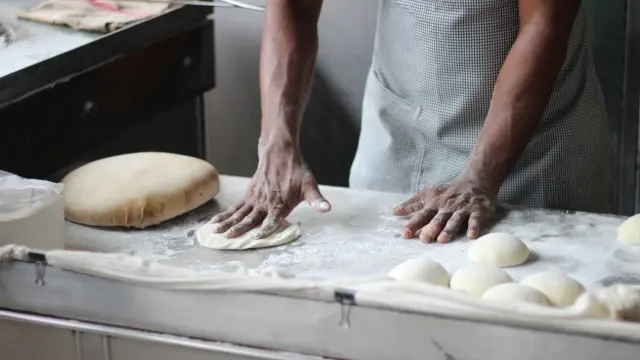
Bulk fermentation builds strength and flavor. Final proof focuses on gas retention and crumb openness. Many lean formulas spend more time in bulk than proof. Adjust the split to fit your style and temperature.

Cold-retard strategy
Chilling slows fermentation and deepens flavor. Move the dough to the fridge when it is close to ready. In the cold, time expands and scheduling becomes easier. Warm gently before baking for better spring.
Worked examples
Lean dough at 25 °C, 1 percent yeast, hydration near 65 percent. The calculator gives bulk around a couple of hours and proof about an hour. Add butter and time stretches. Add milk and time may shorten slightly.
Troubleshooting
- Too slow - raise dough temperature slightly or increase yeast percentage
- Too fast - cool the dough or lower yeast, tighten folds earlier
- Weak structure - reduce hydration a little or give more rests
Benchmarks
- Bulk - about 1.5 to 3 hours at mid 20s °C with around 1 percent yeast
- Final proof - about 1 to 2 hours under similar conditions
- Enriched dough - expect longer, often double vs lean dough
Recording runs
Track room and dough temperature, timing and simple notes. Over a few bakes you will spot patterns and tighten your schedule. The calculator helps you start, your notes help you finish well.
Assumptions and limits
- Focus is on commercial yeast timing with simple factors
- Hydration based on total liquids divided by flour
- Cold-retard extends time outside the warm model
References
Wikipedia Bread | Wikipedia Yeast | Wikipedia Proofing
Image credits
- Photos from Pexels by multiple creators, used under the Pexels license.


