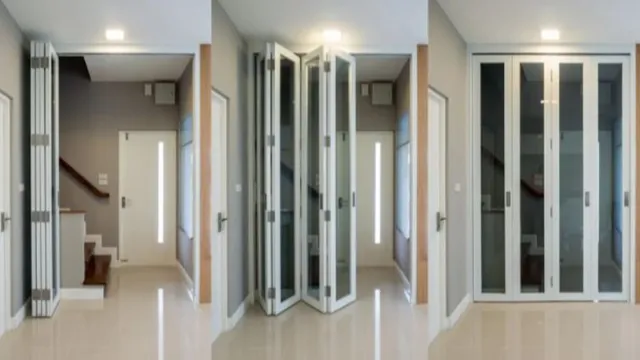
Room Size Calculator and Guide

Measure a room, subtract furniture footprint, and estimate how much usable floor space remains for walking, storage, and layout planning.

Tool

Calculator

Enter room length, room width, optional furniture footprint, and press Calculate to show the result.

The result is for layout planning and general reference only. Confirm exact fit with field measurements before buying furniture or changing a room plan.

Overview

What this calculator does

This room size calculator estimates the total floor area of a rectangular room, subtracts an optional furniture footprint, and shows how much remaining walkable space is left. It is helpful for checking a bedroom, living room, studio, office, dorm room, or rental unit before rearranging furniture.

The calculator uses two-dimensional floor area only. It does not account for door swings, window sills, ceiling height, wall thickness, HVAC clearances, or local building code requirements.

How To

How to use this calculator

  1. 1

    Measure room

    Measure the inside room length and width using one unit, such as feet or meters.

  2. 2

    Add furniture footprint

    Optionally enter the total area occupied by large furniture pieces in the same square unit.

  3. 3

    Choose unit

    Select feet or meters so the labels match your measurements.

  4. 4

    Calculate and review

    Press Calculate to see room area, remaining space, furniture coverage, charts, and planning notes.

Guide

Detailed guide

Measure and area

For a rectangular room, area = length × width. Measure baseboard to baseboard where possible, and check the longest span and widest point if walls are not perfectly square. Round consistently, such as to the nearest 0.1 ft or 0.01 m.

A living room with furniture arranged
Start with the room boundary, then think about furniture and circulation paths.

Units and conversion

Keep source measurements in one unit. If you measure length and width in meters, the result is square meters. If you measure in feet, the result is square feet. The calculator also stores a base square-foot value internally so charts and saved notes stay consistent.

Furniture and flow

Furniture footprint is the floor area occupied by items such as a bed, sofa, desk, dining table, wardrobe, or cabinet. Subtracting the footprint from total room area gives a quick estimate of remaining walkable or flexible space.

  • Keep main paths as continuous as possible from the door to the bed, desk, window, or closet.
  • Leave enough space for chairs to pull out and doors or drawers to open fully.
  • Use tape on the floor to mock up large pieces before ordering furniture.

Irregular rooms

For L shaped or complex rooms, split the floor plan into rectangles and add the rectangle areas together. Add closets and useful alcoves if they are part of the usable floor area. Subtract built-ins or unusable corners only when they genuinely reduce layout space.

Clearance cheatsheet

ZoneCommon targetWhy it matters
Main walkwayAbout 36 in / 90 cmComfortable everyday movement
Bed sideAbout 24 in / 60 cmGetting in and out of bed
Sofa to tableAbout 18 to 24 in / 45 to 60 cmReach and passage
Desk chair pull-outAbout 30 in / 75 cmChair movement and posture
Door swingDoor width radiusAvoids clashes with furniture
Door swing arc kept clear from adjacent furniture
Door swings and drawer pull-outs are easy to miss in pure area math.

Layout examples

Bedrooms usually work best when the bed is placed first, then side tables, wardrobes, and desk space are added around circulation. Living rooms often start with a seating group and a focal point. Home offices should prioritize screen glare, cable routes, chair movement, and access to storage.
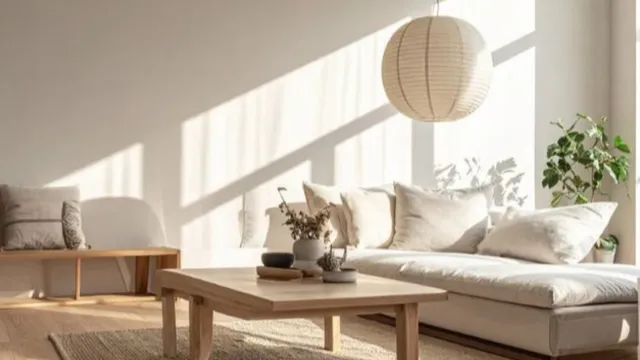
Warm white-toned living room filled with sunlight
Group furniture by activity zones while protecting clear walking paths.

Case study

A 12 by 10 ft room has 120 ft² of floor area. If a sofa uses 18 ft², a desk uses 12.5 ft², and a bookcase uses 3 ft², total furniture footprint is 33.5 ft². Remaining space is 86.5 ft², or about 72.1% of the room.

References

Wikipedia Floor plan | Wikipedia Ergonomics | Wikipedia Square foot | Wikipedia Square metre

FAQ

Frequently asked questions

How do I handle irregular rooms?

Split the plan into rectangles, calculate each rectangle area, and add them together before entering the total into the calculator workflow.

What does furniture footprint mean?

It means the floor area covered by furniture. For a rectangular item, multiply the item length by width, then add the footprints of all major items.

What if furniture footprint is larger than the room?

The calculator will ask you to revise the input. In real planning, this usually means one measurement was entered in the wrong unit or the furniture list includes overlapping items.

Does the tool include door swings?

No. The calculator focuses on floor area. Check door swings, cabinet doors, drawers, and chair pull-out space separately before finalizing a layout.

Summary

Key takeaways

  • Room area equals length multiplied by width.
  • Remaining space equals room area minus furniture footprint.
  • Area math is a starting point; clearances and door swings still matter.
  • Compare scenarios before buying new furniture or changing a layout.